Southampton’s Fare Dodgers: A Route Riddled with Excuses and Evasion
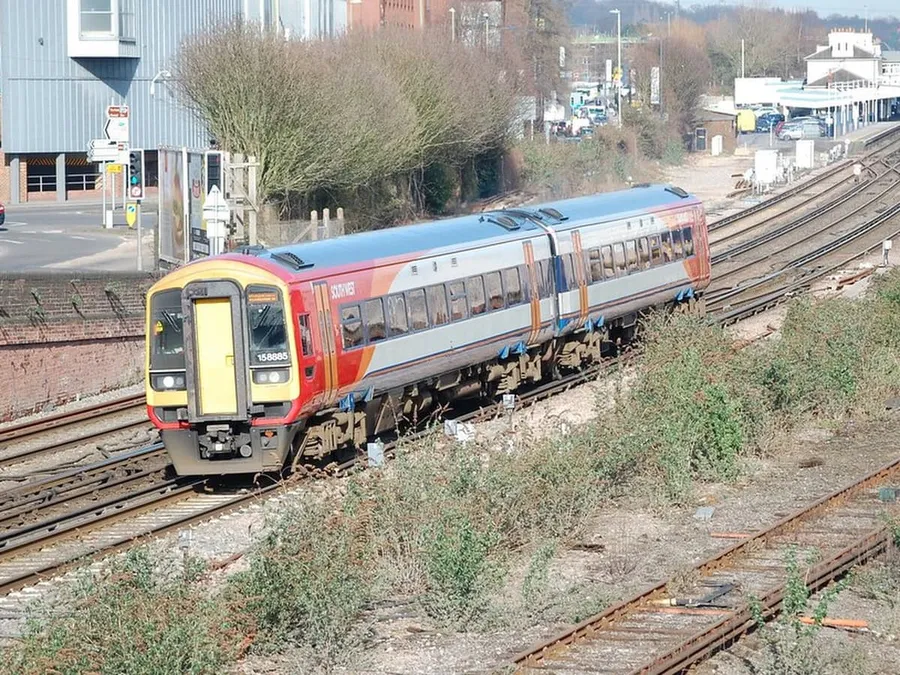
In the bustling world of British rail travel, Southampton’s Romsey-rounder has earned a notorious reputation as a hotspot for fare dodgers. This circular route, particularly the 15:36 service from Southampton Central, has become synonymous with teenagers and others hopping on without tickets for short jaunts.
Revenue protection officers like Dan and Nathan, featured in the Channel 5 programme “Fare Dodgers: At War with the Law,” regularly face off against passengers who argue, evade, or outright refuse to pay.
The issue came into sharp focus in a recent Daily Echo article, which painted a vivid picture of daily confrontations. One standout moment involved a passenger unable to buy a ticket because station facilities were closed, leading to a heated exchange where the officer was accused of a power trip. The rule is clear: buy before you board. Yet, many riders feel it’s unfair, especially when compared to those who dutifully purchase fares.
Public reactions, as seen in comments on the article, reveal a divided community. One commenter pointed out that describing such encounters as a “learning experience” feels confrontational, insisting zero tolerance for abuse should go both ways. Another reminisced about the previous franchise being more lenient, allowing onboard purchases without fuss.
Observations from regular commuters add colour. A user shared amusement at ticket checks skipping the Southampton Central to Eastleigh stretch, only kicking in later towards Romsey. This loophole means those alighting early often escape scrutiny, fuelling the dodging culture.
Excuses abound, with one overheard argument centring on a dead phone battery preventing mobile payment. Sympathy emerges for genuine issues, like faulty ticket machines at smaller stations or queues delaying purchases. A commenter argued customers have a point here, noting that with a smartphone and signal, buying online is easy, but why not allow onboard sales like other operators?
However, frustration boils over in tales of blatant evasion. A vivid anecdote from a CrossCountry journey described a carriage full of dodgers spouting comedy-gold excuses: flat batteries while chatting on phones, imaginary friends holding tickets, recent boardings after long rides, forgotten railcards despite appearing older, and even a claim that single mums travel free. None had ID, turning the scene into pure farce but also a grim commentary on societal norms.
This Southampton saga highlights broader rail woes in the UK. While some blame strict enforcement for alienating passengers, others decry the erosion of responsibility. Programmes like Channel 5’s shine a light, but solutions remain elusive. Perhaps better facilities or consistent checks could bridge the gap, reducing tensions on tracks where evasion thrives.
Social media echoes these sentiments, with users on platforms like Facebook and X sharing similar stories from Portsmouth and beyond. Repeat offenders often walk away with minimal penalties, prompting calls for tougher deterrents. Yet, empathy lingers for those caught in system flaws.
Ultimately, the Romsey-rounder serves as a microcosm of public transport challenges. As debates rage, one thing’s certain: fare dodging isn’t just about skipping payment; it’s a symptom of deeper frustrations with reliability, accessibility, and fairness in everyday travel. With officers on the front line and passengers pushing back, change might require listening to both sides.